


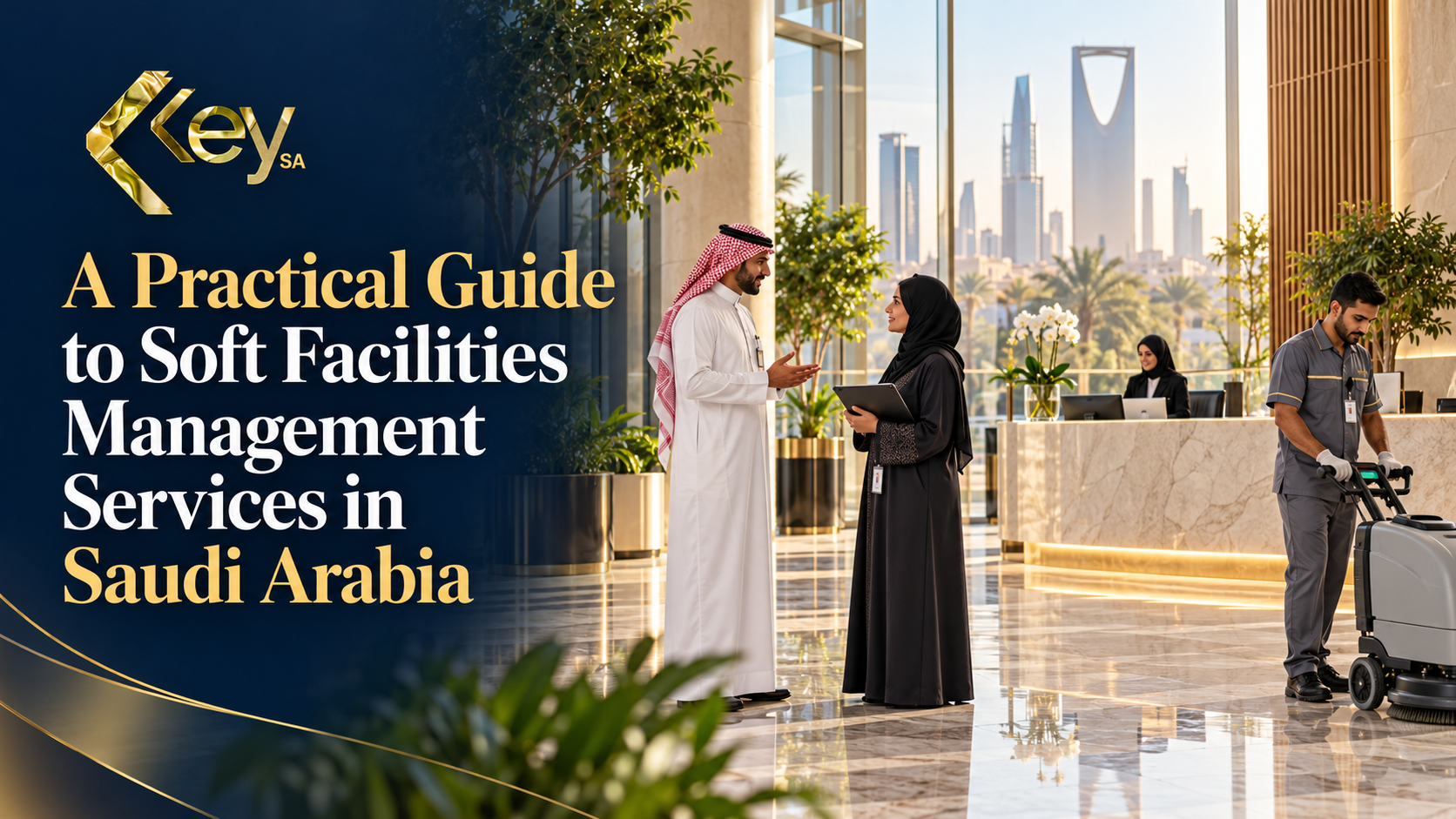
Facilities management in Saudi Arabia is undergoing a significant transformation. While hard FM—encompassing HVAC maintenance, electrical systems, and structural repairs—remains the backbone of building operations, soft FM has emerged as a decisive factor in organizational success. Soft facilities management services in Saudi Arabia focus on the human element: cleaning, security, catering, landscaping, and staff well-being. In a market driven by Vision 2030 and rapid urbanization, these services are no longer just about keeping buildings tidy; they are about creating environments that foster productivity, safety, and cultural harmony.
Understanding the Operational Problem
Many organizations in the Kingdom face a common challenge: the gap between regulatory compliance and actual operational excellence. A building may pass an inspection with minimal dust on surfaces or functional security gates, yet the environment fails to inspire confidence or comfort among employees and visitors. This disconnect often stems from viewing soft FM as a commodity—a cost center rather than a strategic asset.
The operational problem is multifaceted. First, there is the issue of consistency. In large portfolios spanning Riyadh, Jeddah, and Dammam, maintaining uniform standards across different climatic zones and cultural contexts is difficult. Second, there is the challenge of workforce management. The soft FM sector relies heavily on a skilled labor force that requires continuous training in both technical skills and customer service etiquette. Finally, there is the pressure to align with international best practices while respecting local customs and religious observances.
The Saudi Context: Culture and Climate
Operating soft FM services in Saudi Arabia requires a deep understanding of the local context. The climate is a primary driver; extreme heat in summer months dictates specific protocols for cleaning schedules, landscaping, and indoor air quality management to ensure thermal comfort without over-relying on energy-intensive cooling systems.
Culturally, soft FM must navigate the nuances of Saudi society with precision. This includes adhering to modesty standards in uniform design and grooming, ensuring that cleaning operations do not disturb prayer times or religious gatherings, and providing catering services that strictly comply with Halal regulations. Furthermore, the rise of a younger, more globally connected workforce means that service expectations are evolving rapidly. Employees now expect workspaces that reflect modern wellness trends, such as ergonomic break areas, biophilic design elements in landscaping, and seamless digital interaction points.
Core Components of Soft FM Services
To deliver excellence, soft FM services must be broken down into distinct operational pillars. Each pillar requires specific attention to detail and a tailored approach suitable for the Saudi market.
Cleaning and Hygiene Protocols
Hygiene is paramount in the post-pandemic landscape. Soft FM providers in Saudi Arabia must implement rigorous cleaning schedules that go beyond surface-level dusting. This involves deep cleaning of high-touch areas, proper waste segregation to meet municipal regulations, and the use of eco-friendly chemicals that are safe for occupants and the environment. In healthcare and educational sectors, infection control protocols must be strictly enforced, often requiring certification in international hygiene standards.
Security and Access Control
Security is a top priority for businesses and government entities alike. Soft FM security services involve more than just gatekeeping; they encompass access control management, surveillance monitoring, and emergency response coordination. In Saudi Arabia, security personnel must be vetted according to local regulations, trained in de-escalation techniques, and equipped with modern technology such as biometric scanners and AI-driven video analytics. The goal is to create a secure environment that feels welcoming rather than restrictive.
Catering and Hospitality
The catering sector within soft FM is highly regulated. Providers must ensure all food sources are Halal certified and that kitchen operations adhere to strict health codes. Beyond compliance, the focus is on dietary inclusivity, offering options for various preferences while maintaining high aesthetic standards in dining areas. In corporate settings, this extends to hospitality services for visitors, ensuring that reception areas reflect the prestige of the organization hosting them.
Landscaping and Grounds Maintenance
Maintaining green spaces in the arid Saudi climate is a technical challenge. Soft FM teams must select drought-resistant plant species that thrive with minimal water usage, aligning with sustainability goals. Regular maintenance includes irrigation system checks, pest control, and aesthetic trimming to ensure grounds remain pristine. This not only enhances curb appeal but also contributes to air quality and employee mental well-being.
Staff Well-being and Engagement
A critical, often overlooked aspect of soft FM is the management of the service staff themselves. High turnover rates can degrade service quality. Effective soft FM providers invest in training programs that cover language skills, customer interaction, safety procedures, and cultural sensitivity. Creating a supportive work environment for these teams ensures they feel valued, which directly translates to better service delivery for the client.
Compliance and Regulatory Framework
Navigating the regulatory landscape is essential for any soft FM operation in Saudi Arabia. Compliance is not optional; it is a prerequisite for doing business. Key areas of focus include:
- Municipal Regulations: Each municipality (Muniriyah, Jeddah, etc.) has specific bylaws regarding waste disposal, noise control, and operating hours. Non-compliance can result in fines or service suspension.
- Health and Safety: Adherence to the Saudi Labor Law is mandatory. This covers worker safety, proper PPE usage, and emergency evacuation drills. Soft FM staff often work at heights or handle hazardous materials, making safety training non-negotiable.
- Data Privacy: With the implementation of the Personal Data Protection Law (PDPL), security teams handling visitor data must ensure strict confidentiality and secure storage practices.
- Halal Certification: For catering services, maintaining valid Halal certification from recognized bodies is a legal and ethical requirement.
Measurable Outcomes and KPIs
How do you know if your soft FM services are effective? Organizations must track Key Performance Indicators (KPIs) that reflect both operational efficiency and user satisfaction. Common metrics include:
- Occupant Satisfaction Scores: Regular surveys to gauge employee and visitor perceptions of cleanliness, security, and comfort.
- Response Time: The average time taken to resolve issues reported by staff, such as a broken light or a spill cleanup.
- Cost per Square Meter: Tracking operational costs to ensure value for money without compromising quality.
- Incident Rates: Monitoring safety incidents and near-misses to identify areas for improvement in training or procedures.
- Waste Diversion Rates: Measuring the percentage of waste recycled versus sent to landfills, a key indicator of sustainability performance.
Integrating Technology into Soft FM
The future of soft facilities management services in Saudi Arabia lies in digital integration. While traditional methods are still used, the adoption of technology is accelerating. Mobile apps allow staff to report issues instantly, while dashboards provide real-time visibility into cleaning schedules and security alerts. IoT sensors can monitor air quality and occupancy levels, automatically adjusting cleaning frequencies or HVAC settings to optimize energy use.
However, technology should augment human effort, not replace the essential human touch. A robot may clean a floor, but a trained staff member ensures that no spot was missed and that the area is safe for pedestrians. The blend of skilled manpower and smart tools defines the modern soft FM provider.
Conclusion: Building a Future-Ready Environment
Soft facilities management services in Saudi Arabia are a vital component of the Kingdom’s economic and social development. By addressing the operational complexities, respecting local culture, and adhering to strict compliance standards, organizations can create environments that support their strategic goals. Whether it is a corporate tower in Riyadh or a government facilities in Dammam, the quality of soft FM directly impacts the daily experience of every individual within those walls.
For businesses looking to elevate their facilities strategy, the path forward involves partnering with providers who understand the unique nuances of the Saudi market. It requires a commitment to continuous improvement, investment in people, and the adoption of innovative technologies. As Saudi Arabia continues its journey toward becoming a global hub for business and tourism, the standard for soft FM will only rise.
Frequently Asked Questions
What is the difference between hard FM and soft FM?
Hard FM involves the physical infrastructure of a building, such as elevators, HVAC systems, electrical grids, and structural repairs. Soft FM focuses on the services that make the building usable and pleasant, including cleaning, security, catering, landscaping, and pest control.
Why is soft FM important in Saudi Arabia?
In Saudi Arabia, soft FM is crucial for maintaining high standards of hygiene and safety, especially given the hot climate. It also ensures compliance with local cultural norms, such as Halal catering and prayer room maintenance, which are essential for operating legally and respectfully in the Kingdom.
How do I choose a soft FM provider?
Look for providers with proven experience in the Saudi market, certifications in relevant safety and hygiene standards, and a track record of customer satisfaction. Evaluate their technology stack, training programs for staff, and their ability to customize services to your specific building needs.
Can soft FM services be outsourced?
Yes, outsourcing is common and often beneficial. It allows organizations to focus on their core business while leveraging the expertise of specialized FM providers. However, clear contracts and performance metrics must be established to ensure accountability.
Discuss your facilities with our team
Get practical advice on the right operating model, services and technology for your buildings.