


Facilities management in the Kingdom of Saudi Arabia has evolved from a basic maintenance function into a strategic pillar of national development. As Vision 2030 accelerates mega-projects across the country, the distinction between ‘hard’ and ‘soft’ services becomes critical for operational success. Hard facilities management refers to the physical infrastructure that keeps a building safe, functional, and compliant with local regulations. For facilities leaders in Saudi Arabia, understanding the nuances of hard FM is not just about fixing broken pipes; it is about ensuring energy efficiency, safety compliance, and asset longevity in an environment characterized by extreme weather conditions and high-performance expectations.
Defining Hard Facilities Management in the Saudi Context
To navigate the landscape effectively, one must first define the scope. Hard facilities management encompasses all activities related to the physical plant and equipment of a building. In the context of Saudi Arabia, this includes:
- Mechanical, Electrical, and Plumbing (MEP) Systems: HVAC maintenance is paramount due to the climate, but electrical distribution and plumbing integrity are equally vital.
- Building Envelope Maintenance: Ensuring roofs, facades, and windows withstand sandstorms and intense solar radiation without compromising insulation or structural integrity.
- Fire Life Safety Systems: Regular testing of sprinklers, alarms, and emergency lighting to meet Civil Defense requirements.
- Vertical Transportation: Preventive maintenance for elevators and escalators, which are critical in high-rise developments common in Riyadh, Jeddah, and Dammam.
- Waste Management Infrastructure: Handling of solid waste and recycling systems within the building’s physical constraints.
This differs significantly from soft FM, which focuses on cleaning, security personnel, and landscaping. While both are essential, hard FM requires specialized technical expertise, often involving certified engineers and advanced diagnostic tools.
The Operational Challenge: Climate and Infrastructure
The primary operational challenge for hard FM services in Saudi Arabia is the environment itself. The Kingdom experiences some of the highest ambient temperatures on Earth, with summer peaks exceeding 50°C (122°F) in many regions. This imposes a relentless load on cooling systems. A facilities manager cannot simply rely on standard manufacturer schedules; they must implement climate-responsive maintenance protocols.
Furthermore, the prevalence of dust and sand poses a unique threat to HVAC filters, sensors, and moving mechanical parts. Failure to address this leads to reduced efficiency, higher energy consumption, and premature equipment failure. A practical approach involves:
- Aggressive Filtration Management: Implementing high-efficiency particulate air (HEPA) filters and scheduled deep-cleaning cycles that exceed standard intervals.
- Corrosion Control: Using materials and coatings resistant to salt air in coastal cities like Jeddah and Dammam.
- Thermal Imaging Audits: Regularly scanning electrical panels and motors for heat buildup caused by dust accumulation or failing components.
Compliance and Regulatory Landscape
Operating in Saudi Arabia requires strict adherence to local laws. The most significant regulatory body is the Saudi Civil Defense, which enforces safety codes regarding fire protection systems. Non-compliance can result in severe penalties or operational shutdowns. Additionally, the Ministry of Environment, Water and Agriculture (MEWA) oversees environmental regulations, including waste disposal and energy efficiency standards.
For international companies entering the market, understanding these local nuances is part of the ‘localization’ strategy often required by government contracts. A facilities management company in Saudi Arabia must demonstrate not only technical competence but also a robust compliance framework that integrates seamlessly with Civil Defense inspections and environmental audits.
The Role of Technology in Hard FM
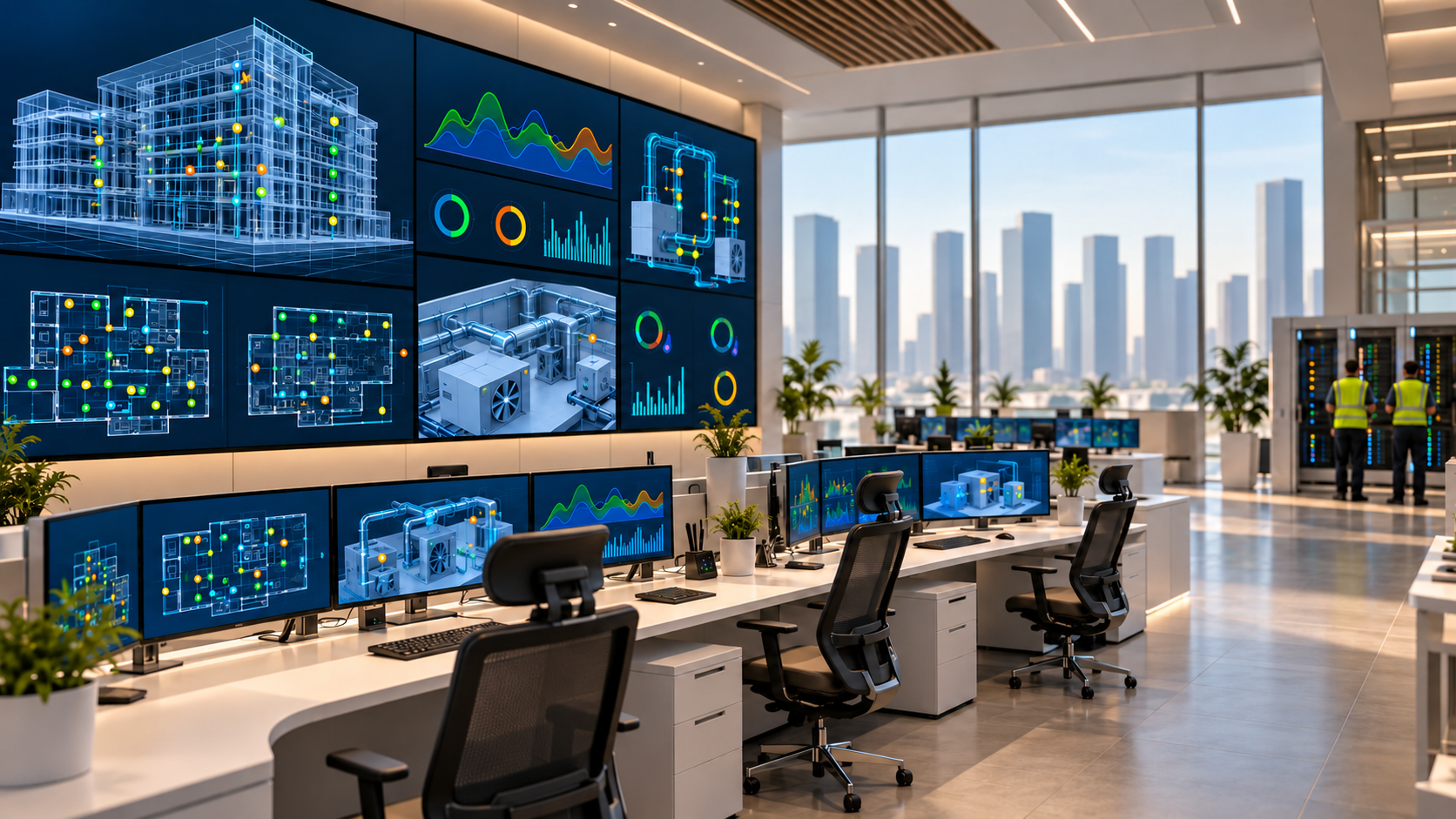
Modern hard FM is increasingly data-driven. The integration of Internet of Things (IoT) sensors allows for predictive maintenance, where systems alert managers to potential failures before they occur. This is particularly valuable for large-scale facilities such as hospitals, airports, and industrial parks.
Digital twins and Building Management Systems (BMS) provide a centralized view of the building’s health. However, technology alone is not a silver bullet. It must be supported by skilled technicians who understand the physical reality of the assets. The best approach combines advanced monitoring with a highly trained workforce capable of interpreting data and executing precise repairs.
Measurable Outcomes of Effective Hard FM
Investing in robust hard facilities management services yields tangible results. Key performance indicators (KPIs) for success include:
- Energy Consumption Reduction: Optimized HVAC operation can reduce energy bills by 15-20%.
- Asset Lifespan Extension: Proactive maintenance can extend the life of major equipment by several years, delaying costly capital replacements.
- Downtime Minimization: Reducing unplanned outages ensures business continuity, a critical factor for industrial and commercial clients.
- Safety Incident Reduction: Consistent compliance with fire and electrical safety codes drastically lowers the risk of accidents.
Integrating Hard and Soft Services
While this guide focuses on hard FM, it is important to acknowledge its relationship with soft services. For instance, a well-maintained HVAC system (hard) ensures that cleaning staff (soft) can work in comfortable conditions, while effective waste management infrastructure (hard) supports sanitation protocols (soft). A holistic facilities management strategy in Saudi Arabia often involves integrating these disciplines under a single strategic framework to optimize total cost of ownership.
Conclusion: Building for the Future
Hard facilities management services in Saudi Arabia are the backbone of the Kingdom’s rapid development. As the nation continues to transform its infrastructure, the demand for specialized, compliant, and technologically advanced FM solutions will grow. For facilities owners and operators, partnering with a knowledgeable provider that understands both the technical complexities and the local regulatory environment is essential. By focusing on preventive strategies, climate resilience, and strict compliance, organizations can ensure their facilities operate efficiently and safely for years to come.
Frequently Asked Questions
What is the difference between hard and soft FM in Saudi Arabia?
Hard FM involves the physical infrastructure: HVAC, electrical systems, plumbing, fire safety, and building envelope maintenance. Soft FM covers non-technical services like cleaning, security, landscaping, and concierge services. Both are necessary but require different skill sets.
Why is climate control so critical for hard FM in Saudi Arabia?
The extreme heat places immense stress on cooling systems. Without rigorous maintenance of HVAC units and filters, energy costs skyrocket, and equipment fails rapidly. Hard FM must prioritize thermal management to ensure occupant comfort and system longevity.
How do I ensure compliance with Civil Defense regulations?
Compliance requires regular testing and certification of fire safety systems by licensed contractors. A professional facilities management company will manage this schedule, ensuring all inspections are passed on time and documentation is up to date for audits.
Can hard FM services be outsourced in Saudi Arabia?
Yes, outsourcing is common and often preferred by large organizations to ensure access to specialized expertise without the burden of hiring full-time engineering teams. It allows companies to focus on their core business while relying on a dedicated partner for infrastructure reliability.
What role does IoT play in hard FM?
IoT sensors monitor equipment health in real-time, predicting failures before they happen. This shifts the model from reactive repair to predictive maintenance, saving money and preventing operational disruptions in critical facilities.
Discuss your facilities with our team
Get practical advice on the right operating model, services and technology for your buildings.