


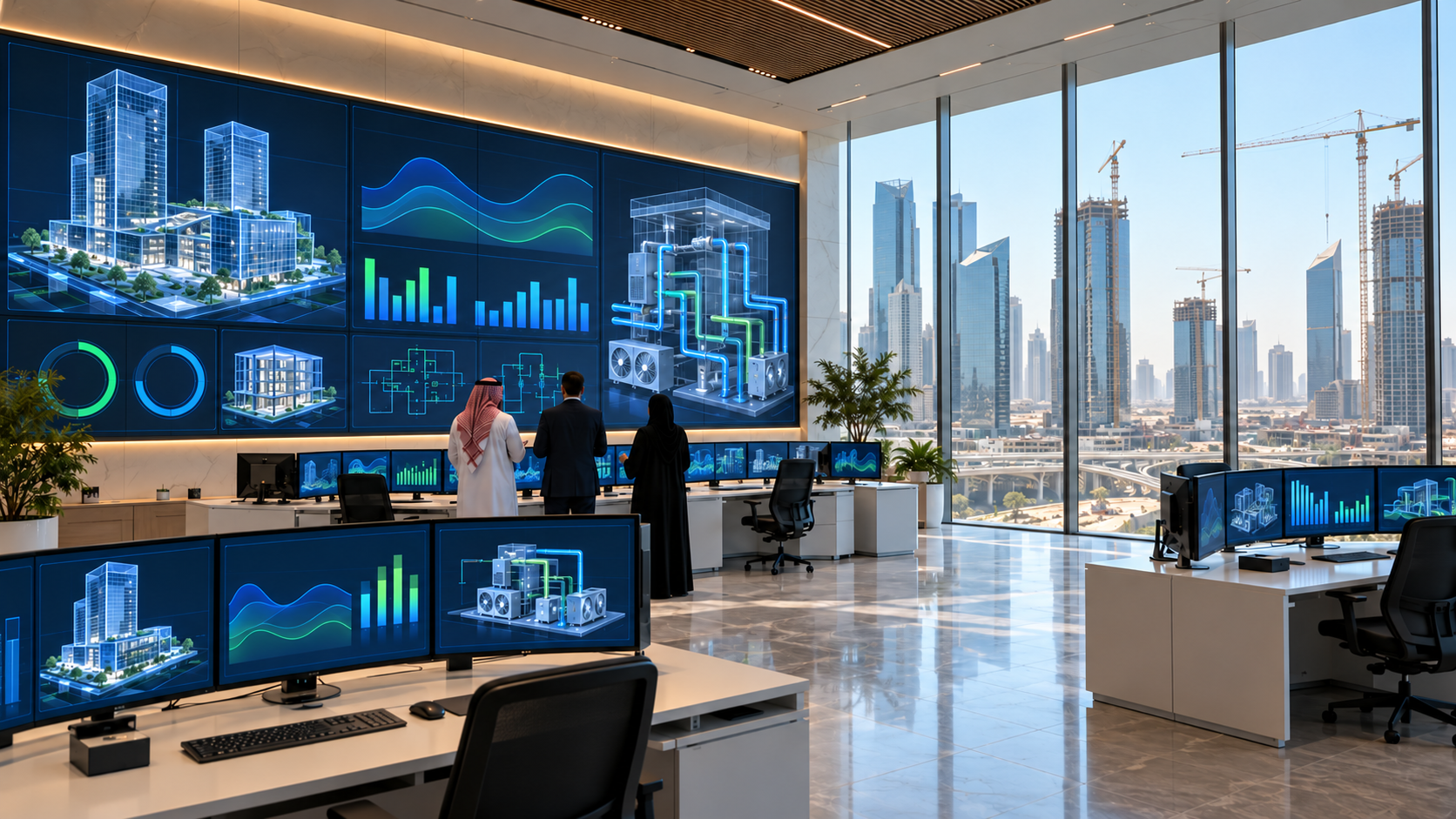
The landscape of commercial and industrial operations in Saudi Arabia is undergoing a profound transformation. Driven by Vision 2030, rapid urbanization, and a shift towards sustainable development, organizations are reevaluating how they manage their physical environments. At the forefront of this change is Integrated Facilities Management (IFM). Unlike traditional siloed approaches where cleaning, security, and engineering operate in isolation, IFM offers a holistic model that unifies these disciplines under a single point of accountability. For businesses operating within the Kingdom, adopting an integrated approach is no longer just an operational preference; it is a strategic imperative for resilience, cost optimization, and regulatory compliance.
Defining Integrated Facilities Management in the Saudi Context
Integrated Facilities Management represents a paradigm shift from reactive maintenance to proactive asset stewardship. In the context of Saudi Arabia, this definition expands beyond mere service delivery. It encompasses the seamless coordination of hard facilities (HVAC, electrical systems, structural integrity) and soft facilities (cleaning, waste management, security protocols). The integration ensures that decisions made in one area—such as upgrading an HVAC system for energy efficiency—immediately inform strategies in others, such as indoor air quality monitoring or occupant comfort standards.
For the Kingdom’s diverse economy, which spans from high-tech industrial zones in Riyadh to massive hospitality developments in Jeddah and NEOM, this unified approach is critical. It allows multinational corporations and local conglomerates to navigate complex regulatory environments while maintaining consistent service standards across multiple sites. The core philosophy relies on data-driven decision-making, where a centralized dashboard provides real-time visibility into energy consumption, maintenance schedules, and safety incidents.
The Shift from Siloed Services to Holistic Solutions
Historically, facilities management in the region was often fragmented. A building might have a separate contract for cleaning, another for electrical repairs, and yet another for security staffing. This fragmentation leads to communication gaps, duplicated efforts, and a lack of accountability. When a fire alarm triggers, for instance, a siloed approach requires coordination between security, engineering, and cleaning teams who may not share immediate information.
Integrated Facilities Management eliminates these friction points. By consolidating services, organizations in Saudi Arabia can achieve significant cost synergies. The reduction in administrative overhead is substantial, as there is only one management team to coordinate with, one set of contracts to manage, and a unified communication channel for reporting issues. Furthermore, this model fosters innovation. When engineers understand the cleaning schedules, they can optimize maintenance windows. When security understands energy usage patterns, they can better position lighting and access controls.
Strategic Benefits for Organizations in KSA
The adoption of IFM in Saudi Arabia delivers tangible value that aligns with national goals and corporate objectives. The primary driver is often cost control, but the benefits extend far beyond simple budget reduction.
Operational Efficiency and Cost Optimization
Consolidating services under a single Integrated Facilities Manager (IFM) provider or internal department streamlines operations. In Saudi Arabia, where labor costs are rising and the talent pool for specialized technical roles is competitive, efficiency becomes paramount. An IFM strategy optimizes workforce deployment, ensuring that skilled technicians are available when needed without overstaffing. This agility allows businesses to scale their facilities operations up or down in response to market demands or seasonal fluctuations, such as the high demand for cooling during summer months.
Enhancing Sustainability and ESG Compliance
Sustainability is a central pillar of Saudi Arabia’s economic vision. The Kingdom has set ambitious targets for reducing carbon emissions and increasing renewable energy usage. Integrated Facilities Management plays a pivotal role here by providing the data infrastructure necessary to track and reduce environmental impact. An IFM system aggregates data on water usage, electricity consumption, and waste generation across all sites.
This centralized data allows for precise identification of inefficiencies. For example, an IFM dashboard might reveal that a specific chiller plant in Dammam is running at sub-optimal efficiency during peak hours. Correcting this single issue can yield significant energy savings without requiring capital expenditure on new equipment. Moreover, unified reporting makes it easier to generate the sustainability reports required by international investors and local regulators, ensuring compliance with Saudi Green Initiative standards.
Risk Management and Regulatory Adherence
The regulatory environment in Saudi Arabia is rigorous, covering everything from fire safety codes to occupational health and safety standards. An integrated approach ensures that compliance is not an afterthought but a built-in feature of operations. When one team member identifies a potential hazard—such as a blocked fire exit or a leaking pipe—the entire system is alerted immediately. This cross-functional awareness reduces the risk of accidents and protects the organization’s reputation.
Furthermore, in sectors like healthcare and education, where safety standards are exceptionally high, IFM ensures that protocols are consistently applied across all locations. Whether it is a university campus in Riyadh or a hospital network in Jeddah, the integrated model guarantees that safety procedures are followed without exception.
Sector-Specific Applications Across Saudi Arabia
The versatility of Integrated Facilities Management makes it applicable to virtually every sector within the Kingdom. Each industry faces unique challenges that IFM is uniquely positioned to address.
Healthcare and Life Sciences
Saudi Arabia’s healthcare sector is expanding rapidly, with new hospitals and research centers opening regularly. In this high-stakes environment, facilities management is about more than cleanliness; it is about infection control and life support system reliability. IFM providers in the medical sector specialize in managing complex HVAC systems that maintain precise temperature and humidity levels to prevent bacterial growth. They also manage biomedical waste disposal in strict accordance with Saudi FDA regulations. For pharmaceutical companies like Merck Sharp & Dohme or Sanofi, maintaining a controlled environment for manufacturing is critical. An integrated team ensures that environmental monitoring data is seamlessly linked to production schedules and quality assurance protocols.
Hospitality and Tourism
As Saudi Arabia emerges as a global tourism destination, the hospitality sector faces intense pressure to deliver world-class experiences. From luxury resorts in AlUla to convention centers in Riyadh, the expectation for pristine environments is high. IFM allows hotel chains to maintain consistent brand standards across multiple properties. The integration of cleaning, housekeeping, and engineering ensures that guest rooms are ready on time, amenities function perfectly, and energy costs are managed efficiently to protect margins during low-occupancy periods.
Education and Government
The Kingdom is investing heavily in education infrastructure to support its workforce development goals. Schools and universities require facilities that support learning environments conducive to health and productivity. IFM solutions here focus on indoor air quality management, ensuring that students and staff are not exposed to pollutants or allergens. For government entities, which manage vast portfolios of public buildings, IFM offers a cost-effective way to modernize aging infrastructure while adhering to strict budgetary constraints.
Industrial and Manufacturing
In industrial zones like King Abdullah Economic City (KAEC) or the Red Sea Project, manufacturing facilities operate 24/7. Downtime is costly. An integrated approach brings maintenance teams closer to production lines, enabling predictive maintenance strategies that prevent equipment failure before it disrupts operations. This proactive stance minimizes downtime and ensures continuous production flow, which is vital for export-oriented industries.
The Role of Technology in Modern IFM
Technology is the backbone of modern Integrated Facilities Management in Saudi Arabia. The integration of Internet of Things (IoT) sensors, Building Information Modeling (BIM), and Artificial Intelligence (AI) has revolutionized how facilities are managed.
Smart sensors can detect leaks, monitor air quality, and track energy usage in real-time. When a sensor detects an anomaly, such as a rise in temperature in a server room or a drop in pressure in a water line, the system automatically generates a work order. This automation reduces reliance on manual inspections and allows maintenance teams to focus on complex issues rather than routine checks.
Mobile applications empower staff to report issues instantly via photos and location data. Managers can view these reports on a central dashboard, prioritizing tasks based on severity and resource availability. This level of transparency fosters accountability and ensures that no issue slips through the cracks. Furthermore, digital platforms facilitate better communication between stakeholders, from site supervisors to executive leadership, ensuring that strategic goals are aligned with daily operations.
Implementing an IFM Strategy in Saudi Arabia
Transitioning to an integrated model requires careful planning and execution. Organizations must first assess their current state, identifying gaps in service delivery and areas of inefficiency. This assessment should include a review of existing contracts, staff capabilities, and technology stacks.
Next, define the scope of integration. Will the organization bring all services in-house, or will it partner with an external IFM provider? For many companies, a hybrid model works best, where core strategic functions remain internal while specialized tasks like security or waste management are outsourced to experts. The key is ensuring that the chosen partner or internal team understands the specific nuances of the Saudi market, including local labor laws, cultural norms, and regulatory requirements.
Training is another critical component. Staff must be upskilled to work in an integrated environment. This involves cross-training engineers to understand cleaning protocols and training security personnel on basic energy conservation techniques. A culture of collaboration must be fostered, breaking down the traditional barriers between departments.
Finally, establish clear Key Performance Indicators (KPIs) that reflect the benefits of integration. These might include reduced operational costs per square foot, improved employee satisfaction scores, lower carbon emissions, and faster response times to incidents. Regular reviews against these KPIs ensure that the IFM strategy continues to deliver value and evolves with changing business needs.
Looking Ahead: The Future of Facilities in Saudi Arabia
The future of facilities management in Saudi Arabia is bright, driven by innovation and national ambition. As the Kingdom diversifies its economy and builds iconic projects like NEOM and Qiddiya, the demand for sophisticated facilities solutions will grow. We can expect to see greater adoption of autonomous robots for cleaning and inspection, advanced AI for predictive analytics, and circular economy principles for waste management.
Integrated Facilities Management will remain at the heart of this evolution. It provides the flexibility and intelligence needed to navigate a complex, fast-changing landscape. For businesses committed to long-term success in Saudi Arabia, embracing IFM is not just an option; it is a necessity. By unifying their approach to facilities, organizations can build resilient, sustainable, and efficient operations that contribute to the Kingdom’s broader vision of prosperity and progress.
Frequently Asked Questions
What are the main advantages of Integrated Facilities Management in Saudi Arabia?
The primary advantages include cost savings through consolidated contracts, improved operational efficiency via cross-functional collaboration, enhanced sustainability reporting to meet Vision 2030 goals, better risk management through unified compliance protocols, and a single point of accountability for all facilities-related issues.
How does IFM help with energy efficiency in the Kingdom?
IFM utilizes centralized data platforms to monitor energy consumption across all sites. By analyzing this data, facilities managers can identify waste, optimize HVAC systems for local weather conditions, and implement smart controls that reduce usage during peak tariff periods, directly contributing to Saudi Arabia’s carbon reduction targets.
Is IFM suitable for small businesses in Saudi Arabia?
Yes. While often associated with large enterprises, the principles of integration can be scaled down. Small businesses can benefit from outsourcing specific functions to an IFM provider or adopting cloud-based management tools that offer integrated features without the need for a massive internal team.
What industries in Saudi Arabia benefit most from IFM?
Healthcare, hospitality, education, government, and industrial manufacturing are among the sectors that benefit most. These industries face high regulatory standards or complex operational requirements where a unified approach ensures consistency, safety, and efficiency.
Discuss your facilities with our team
Get practical advice on the right operating model, services and technology for your buildings.